Full, hydrated lips draw the eye the way good lighting flatters a portrait. When done well, lip augmentation reads as health and balance rather than artifice. Hyaluronic acid, or HA, has become the workhorse for modern lip enhancement because it respects anatomy, blends with native tissue, and can be reversed. I have treated hundreds of lips across ages and face shapes, and the same lesson repeats: technique and restraint matter more than the size of the syringe.
What hyaluronic acid actually does in lips
Hyaluronic acid is a sugar our bodies already make. In the skin and mucosa it binds water, cushions movement, and supports elasticity. HA lip filler is a purified, crosslinked version of that molecule suspended in gel. The crosslinking changes how firm or flexible it feels, how it resists degradation, and how long results last. Thicker, more cohesive gels can add structure at the border, while softer, more malleable gels add supple volume to the lip body. This is why there is no single “best lip filler” for everyone. The right choice depends on your lip anatomy, your smile dynamics, and the look you want to wear every day, not just in photos.
Patients often ask about juvederm lip filler versus restylane lip filler. They are not monolithic products. Each brand offers a family of HA lip filler types with different rheology, which is a technical way of describing how a gel behaves under stress. A crisp, high-elasticity gel can define a blurred vermilion border. A silky, lower-elasticity gel lets the mouth fold and purse without feeling stiff. Matching the gel to the job makes the difference between natural looking lip filler and something that looks planted.
Anatomy sets the rules
A plump lips treatment respects landmarks. The philtral columns, cupid’s bow, vermilion border, white roll, tubercles, and oral commissures each play a role. The wet-dry border is particularly important. Crossing it with filler by accident is a common reason for lumps and uneven swelling. Even subtle lip border enhancement will read as “lipstick stays put” when you apply color, while too much product in the border risks a shelf-like edge or the dreaded filler migration into the upper lip skin.
Vascular anatomy matters. The superior and inferior labial arteries run within or just behind the lip body. Knowledge of where they commonly lie, and how they vary, is a safety nonnegotiable. Precision lip filler technique minimizes risk by using small aliquots, correct plane selection, and gentle aspiration or slow linear threading rather than bolus injections in risky zones. A skilled injector can shape and soften without compromising blood flow.
Who benefits from lip fillers
Lip augmentation treatment serves different goals at different ages:
- Younger patients often want lip filler for volume and a defined pout. Think subtle lip filler that raises the height of the upper vermilion and smooths the border for cleaner gloss lines. In the 30s and 40s, thinning and dry texture appear. A lip hydration filler with smaller particle size restores moisture and bounce. Fine smokers’ lines respond to a lip wrinkle filler feathered just under the skin. In later decades, structural changes dominate. Teeth wear, maxillary retrusion, and bone resorption flatten support. A lip body filler paired with conservative lip line filler and peri-oral support can re-balance the lower face.
Lip filler for symmetry deserves its own mention. Most mouths are asymmetric. Correcting uneven peaks or a tilted cupid’s bow, usually measured in millimeters, looks more believable than chasing maximum fullness. I often show lip filler before and after photos that demonstrate micro-corrections, because the brain reads symmetry as beauty even when it cannot name what changed.
Setting realistic expectations
A good lip filler consultation starts with function: how you speak, smile, and purse. We watch the lips at rest and in motion. I ask what you like about your mouth, not just what you dislike. If you bring inspiration images, we decode them. Many “viral” lips sit on faces with different skeletal support, tooth show, and skin thickness. The aspiration should be harmony, not photocopying.
Most first-time patients do well with a beginner lip filler plan around 0.6 to 1.0 ml spread strategically. That may sound modest, but lips take product differently from cheeks. Overfilling early stretches tissue and can make later refinements harder. An advanced lip filler plan might layer another 0.3 to 0.6 ml after healing for a touch up, especially if we are also correcting asymmetry or defining the border. I rarely recommend more than 1.0 to 1.5 ml total within a single visit for a natural finish.
Your lip filler results evolve. Day one is not the final look. Swelling peaks in 24 to 48 hours, settles sharply by day five to seven, and refines over two to four weeks as water balance stabilizes and any micro-bruise resolves. Healed lips feel soft and move normally. If you can feel discrete beads or see contour irregularities beyond three weeks, your provider can massage, needle release, or dissolve select areas with hyaluronidase.
Choosing lip filler options: gels and goals
The modern catalog gives us levers. Here is how I think through lip filler solutions in practice:
For sheer hydration and smoothing, I reach for a soft HA with low viscosity that behaves like a lip smoothing filler. It imparts shine and bounce, especially in the upper lip where lipstick bleeds. This is ideal for those who say, “I do not want bigger lips, just a healthier look.”
For lip contouring or lip border enhancement, a slightly firmer gel holds a crisp line with fewer passes. I might use micro-threads along the white roll to lift a flat edge and restore the cupid’s bow. The trick is restraint. Over-definition makes the philtrum look harsh, especially from side angles.
For volumizing the red body, a flexible gel with good stretch resists lumping when you speak and sip. Layering linear threads lets me shape the central tubercles and soften the lateral one-third, which avoids a ducky tilt. This is the classic lip volumizing treatment and where the bulk of product usually goes.
For lip lift filler or lip pout enhancement in a patient with a short philtrum and good dental show, I prefer subtle shaping rather than heavy projection. Otherwise, the upper lip can encroach on the teeth, muffling speech and reading heavy.
For lip area filler in smokers’ lines or orbicularis oris etched lines, ultra-superficial microdroplets make the skin appear smoother without inflating the lip. This is a lip line filler technique, very different from pumping volume.
Brand names matter less than matching gel behavior to the job. There are premium lip filler gels that feel luxurious because they integrate quickly and hold a water-rich sheen, and there are budget options that still perform well with careful technique. The best lip filler is the one that fulfils your aesthetic target with the least product and lowest maintenance.
Technique determines the finish
Lip filler artistry lives in technique. I switched fully to small-volume, multi-plane placement years ago after seeing how a few long threads can control shape without overfilling. My typical lip enhancement procedure follows a sequence:
We map the lip with the patient upright. Numbing varies. Topical anesthesia works for most, but dental nerve blocks help those who are sensitive. I avoid heavy blocks if I need to evaluate symmetry during movement because numbness can distort natural muscle tone.
For the lip body, linear retrograde threads in the superficial submucosal plane give even lift. For shaping tubercles, I either place tiny blebs or micro-threads with the needle bevel up and minimal pressure. At the border, I switch to tiny aliquots along the white roll if needed, never stacking product at the corners to avoid heaviness.
The lip injection procedure includes constant visual checks. I watch capillary refill, color, and pain feedback. Vascular compromise is rare but serious. An expert lip filler provider keeps hyaluronidase nearby, understands early signs, and treats promptly.
The last pass is about symmetry and transition. The upper to lower lip balance should suit the face. Many faces look best when the upper lip is about two-thirds the height of the lower. But that is a guide, not a rule. I reassess in profile to ensure the new volume aligns with the chin and nose, not just frontal view.
How much time it takes and what recovery feels like
Most sessions take 30 to 45 minutes, with additional time up front for consultation and consent. The minimally invasive lip filler approach means you walk out the same day. Expect swelling, tenderness, and occasional bruising. Swelling varies; some patients look camera-ready in 48 hours, others need a long weekend.
Lip filler aftercare is simple but worth following:
- Ice intermittently the first evening, 10 minutes on and off, using a clean barrier. Skip strenuous workouts, heat, and alcohol for 24 hours to reduce swelling and bruising. Keep lips clean, avoid heavy makeup over puncture sites for the first day, and use an occlusive balm to prevent dryness.
Sleeping elevated the first night helps. Gentle massage is case dependent. I do not recommend routine kneading unless your provider instructs it for a specific reason. If you develop blanching, severe pain out of proportion, or patchy discoloration, contact your injector immediately. These are rare signs of vascular compromise that warrant urgent evaluation.
Longevity, maintenance, and when to say no
HA lip filler longevity ranges from around 6 to 12 months for most people, sometimes longer with certain crosslinked gels and slower metabolisms. Movement accelerates breakdown, so lips generally metabolize product faster than tear troughs or temples. A lip filler touch up at 6 to 9 months keeps the shape fresh with less product than the first session. Patients who want long lasting lip filler should understand that “long lasting” is a balance between durability and softness. Ultra-firm gels may last but do not always move well in thin lips.
Some patients benefit from a lip filler upgrade or refinement after the first year. Tissues have adapted, and we might shift product from border to body, or vice versa, to maintain definition. Lip filler maintenance is not a treadmill if we make conservative moves and give the tissue time to reset between sessions.
There are moments to decline or defer treatment. If the lips are already overfilled or show migration, a lip filler dissolving session with hyaluronidase sets the stage for better results later. If a patient smokes heavily or has an active skin infection, we wait. If expectations skew toward an extreme or a specific influencer’s mouth, I reset the target: your face, your proportions.
Safety and the comfort of reversibility
A major advantage of hyaluronic acid lip filler is reversibility. Hyaluronidase breaks down HA rapidly, allowing correction of contour issues or treatment of complications. That safety net is not an excuse for sloppy technique, but it helps patients relax. Safe lip filler practice also means sterile technique, single-use needles or cannulas, and a thoughtful plan based on anatomy. Patients with a history of cold sores should pretreat with an antiviral to reduce the chance of a flare. People with autoimmune conditions or pregnancy should discuss timing and risk tolerance with their medical provider.
Common, mild side effects include swelling, tenderness, and bruising. Less common issues are lumps, asymmetry, or nodules, usually addressed with massage or small adjustments. Rare but serious complications include vascular occlusion and, extremely rarely, blindness if filler enters an arterial pathway. Choosing an experienced injector who understands facial vascular networks and keeps rescue protocols on site significantly reduces risk.
Styles and trends without the trap
The spectrum runs from barely-there lip rejuvenation to glam, fuller lips treatment. Trends swing. In the early 2010s, sharply outlined borders and high projection were popular. The last few years favor natural lip filler that looks unfilled, with intuitive soft lip filler shaping and an emphasis on hydration and smooth texture. Trending lip filler styles can inspire, but faces age better when enhancements echo the person’s baseline anatomy.
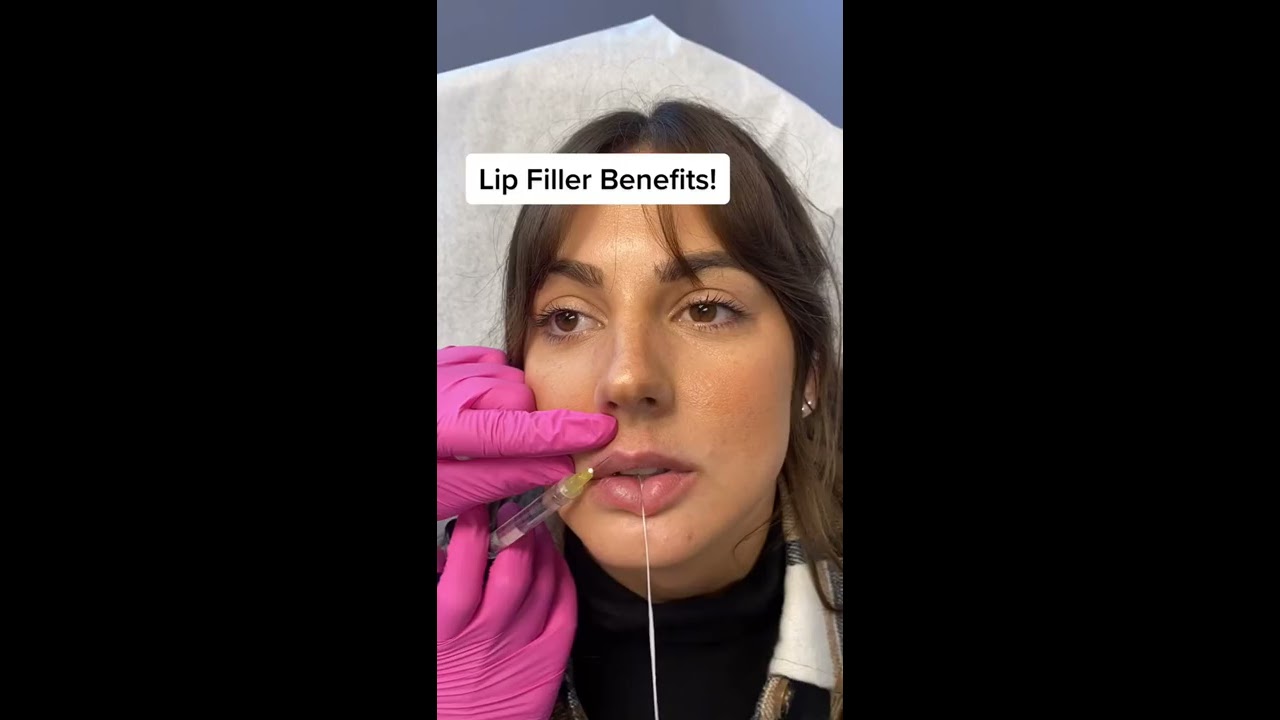
" width="560" height="315" style="border: none;" allowfullscreen="" >
I encourage patients to road test volume in the mirror with a lip liner trick. Outline slightly outside your natural border in a quiet room, then read a few sentences, smile, and sip water. Watch what happens at the corners. If the look collapses or color feathers, that style may not translate well in motion. Lip enhancement treatment should survive real life: conversation, coffee, and a good laugh.
The appointment flow, start to finish
The lip injection procedure begins with evaluation, photos, and a conversation about preferences: satin-smooth finish or plush shine, a more defined bow, or a softened peak. We discuss lip filler pros and cons, including maintenance. I sketch the plan directly on the lips with a surgical marker for you to approve.
Numbing comes next. Most modern HA fillers include lidocaine, which improves comfort as we go. For anxious patients, we slow down and break the session into phases. Small wins early, then incremental adjustments, help you feel in control.
After injections, we hold gentle pressure to reduce bleeding and apply a soothing occlusive. You will see immediate lip filler results, but I always provide a warning: day two is puffy, day three is better, day seven is the first fair assessment. I book a follow up in two to three weeks for any necessary polish. That might be a micro-thread in a softened peak or a microdissolve if a bead persists. The lip filler improvement step is where artistry shows, not the quantity of product used.
Fixing problems from past fillers
Not every new patient is a blank canvas. I see lip filler correction cases weekly. Migration above the upper lip creates a mustache shadow or a shelf that makeup cannot hide. The solution is often dissolving the migrated product, waiting two to six weeks, then rebuilding with a lighter hand and better plane selection. Lumps from older, more particulate gels can reflect misplacement or biofilm formation. True biofilm is uncommon, but if a firm, persistent nodule appears months later and does not respond to massage, your provider may treat with dissolution and antibiotics after evaluation.
If you have disappointment from a past provider, bring old treatment notes if you have them. Knowing the lip filler brands used, total volume, and technique informs the next plan. The goal is not to layer more product to hide problems, but to reset and refine.
Budgeting and value
Affordable lip filler does not mean cheap filler. It means right-sized plans and transparent pricing. Many clinics price by the syringe. A thoughtful approach uses one syringe across a couple of zones, or saves a balance for a scheduled touch up within a defined window. Ask about that. The value lies in fit and finesse, not only in milliliters. A premium lip filler vial in the wrong place offers less value than a midrange gel placed perfectly.
For those weighing non surgical lip augmentation against surgical options like a lip lift, understand the trade-offs. A surgical lip lift shortens the philtrum and shows more vermilion, good for specific anatomy, but it does not add lip body volume or hydration. Injectable lip augmentation with HA offers instant lip enhancement and reversibility, better for testing proportions and making subtle tweaks over time.
Common myths that still circulate
“Fillers stretch the skin permanently.” Skin is elastic. Repeated overfilling can fatigue tissue, but conservative, well-spaced treatments do not leave you worse off. Many patients who stop fillers simply return to baseline.
“Once you start, you can’t stop.” You can. HA gradually resorbs. Maintenance is a choice, not an obligation.
“All fillers are the same.” They are not. HA gels vary in firmness, cohesivity, and spread. Lip filler comparison should focus on how a gel behaves, not just on brand names.
“Cannulas are always safer.” Cannulas can reduce bruising and have a different safety profile, but they are not a magic shield. In skilled hands, needles and cannulas both work. Choice depends on anatomy and task.
“Bigger is better.” Not for mouths that need function and fine movement. Subtle lip filler often looks richer and more expensive because it respects tissue behavior in motion.
What a satisfied result looks and feels like
Three signs tell me we hit the mark. First, at rest, the lips look hydrated, edges clean, cupid’s bow present without looking cartoonish. Second, in a full smile, the upper lip maintains volume rather than vanishing, but does not bulge. Corners are upturned or neutral, never drooping. Third, at three weeks, the patient forgets the lips until they catch a glimpse in a window and think, “That looks like me on a good day.”
I remember a patient in her late 50s who loved red lipstick but had parked it for years. We planned a conservative lip definition treatment with a touch of body volume and microdroplet lip line filler to tame feathering. At follow up she brought a tube of crimson and a grin. The shade stayed within the lines all evening, she said, and people told her she looked well-rested. That is the quiet power of a well-executed lip enhancement procedure.
Final thoughts before you book
If you are exploring lip injectable treatment for the first time, look for an injector who explains their plan in plain language, shows a range of lip filler before and after cases, and talks openly about risks and remedies. A provider who can say no when needed and offers lip filler dissolving on site is a good sign. Natural looking lip filler starts with listening, continues with measurement, and finishes with a light touch.
HA lip filler is a lip filler providers near me flexible, forgiving tool. In careful hands, lip filler Orlando FL it can lift a blurred border, rehydrate and smooth texture, add gentle volume where it was always meant to be, and correct small asymmetries that distract. The result does not shout. It quietly restores the balance your face already wants.